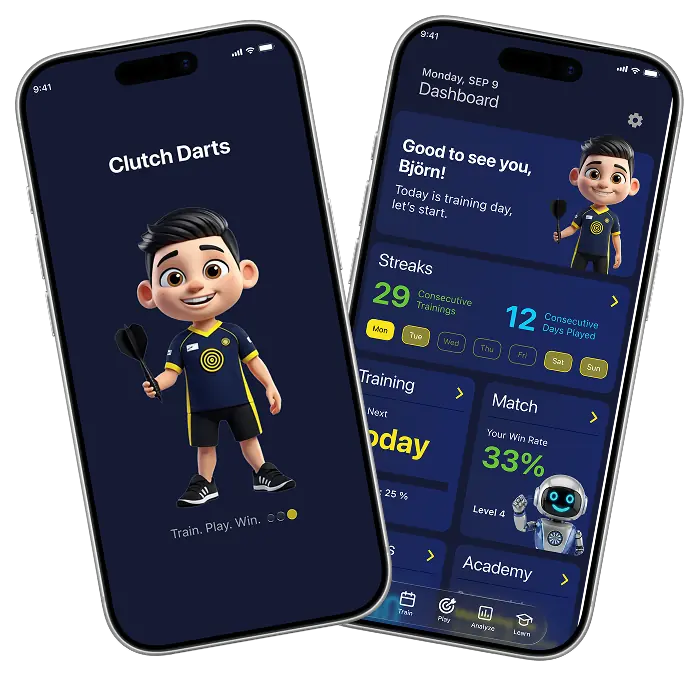

My friend, many players practice a lot but don't always see big improvements. Often, the missing piece is structured, data-driven practice. As your coach, I recommend: using a practice log changes your sessions from just throwing aimlessly into targeted, progressive training. It's all about working smarter, not just harder.
Your practice log doesn't need to be fancy; a simple notebook or a spreadsheet works great. For each session, write down:
1. Date and Duration: How long did you practice?
2. Drills Performed: What specific drills did you do (e.g., "Round the Clock Doubles," "Checkout from 100")?
3. Results: This is crucial – track your scores, hit rates, or how long each drill took. For example, "Hit 15/20 doubles in 3 darts for numbers 1-10."
4. Notes/Observations: How did you feel? Were there any specific struggles or breakthroughs?
Reviewing your log regularly helps you spot patterns, identify weaknesses, and celebrate your progress. It helps you tailor future sessions to work on exactly what you need. This systematic approach ensures you get the most out of your practice time, leading to faster skill development and a clear path to hitting your darts goals.